06AADCG9443K1ZB
-
-
-
genexcontainers@gmail.com
06AADCG9443K1ZB
genexcontainers@gmail.com

On average, an Indian produces 0.4-0.6 kilograms of garbage daily. You might find this number insignificant; however, when it is multiplied by a population of more than 1.4 billion, it becomes a colossal environmental issue. According to government estimates, India generates more than 150,000 tonnes of municipal solid waste every day, and the volume is increasing steadily due to urbanisation and changing lifestyles.
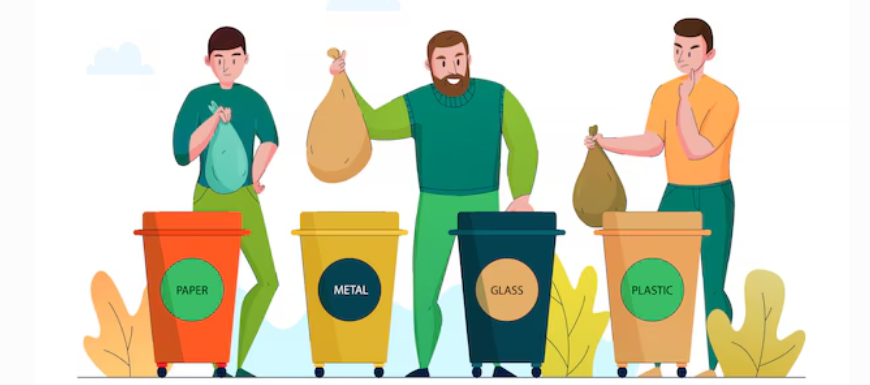
The daily waste consists of organic waste (food scraps), plastic, paper, glass, and metal. A large percentage-nearly 50-60%- is biodegradable. Nevertheless, plastic garbage has become one of the most rapidly increasing issues. Poor disposal of plastic materials contaminates landfills, rivers, and even oceans.
Ineffective waste management has not only environmental impacts but also health impacts on the people. Landfills are also being overfilled with harmful gases, such as methane, which contribute to climate change. The waste may block the drainage systems, causing flooding in towns. It also provides breeding grounds for diseases.
It is in this context that systems such as source segregation come into play. Home separation of wet and dry waste can decrease the volume of waste in landfills, and enhance the recycling rates. The availability of adequate disposal solutions from plastic dustbin manufacturers in India and MS dustbin suppliers in India is also significant in ensuring hygiene in both public and private areas.
Infrastructure is crucial to effective waste management. Organised waste handling is aided by products such as wheeled dustbins in Delhi, MS dustbins and even the sale of plastic road barriers (to control waste areas or traffic around the disposal premises). On the same note, donations of road barriers, dustbins, and wheelbarrows in India facilitate the smooth collection and transportation of waste.
The cleanliness and sustainability in such cities improve significantly when cities invest in superior waste management systems, such as covered bins, properly designed collection vehicles, and recycling units.
Simple everyday steps to waste reduction:
• Avoid single-use plastics
• Use recycled materials as much as possible.
• Compost kitchen waste
• Home segregation.
Simple measures can go a long way in lightening the heavy load of waste when embraced by millions of people.
The quantity of waste that an individual produces per day in India may not be a significant issue, but when summed up, it is enormous. It is necessary to manage this waste responsibly to maintain a cleaner, healthier environment and future.
In this regard, businesses such as Genex Plastics have a role to play in providing viable waste management options, such as tough dustbins and associated facilities, that can help promote improved waste management across the rest of the nation.