06AADCG9443K1ZB
-
-
-
genexcontainers@gmail.com
06AADCG9443K1ZB
genexcontainers@gmail.com

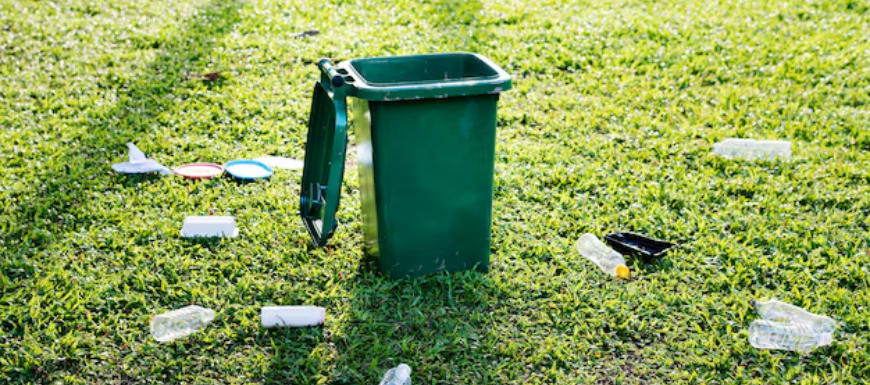
The solid waste produced in India is more than 1.5 lakh tonnes daily, and this figure is increasing with urbanisation and changing lifestyles. The apparent issue is evident in overflowing bins, littered streets, and uncontrolled dumping sites. However, the actual issue is more profound: Is it that India is struggling because there are no dustbins, or is the waste management system ineffective?
The absence of public bins remains a complaint in most cities. This has seen the demand for plastic dustbin manufacturers in India, MS dustbin suppliers in India and dustbin manufacturers in India increase. Availability has been enhanced in cities, but access and location is unequal. Bins are too far apart or in poor condition in overpopulated markets or residential areas.
The only solution is not, however, to increase the number of bins. There are also cases where in places where bins do exist, they are misused, overflowing or unsegregated. This shows that the issue goes beyond just infrastructure.
Segregation is one of the largest loopholes in India's waste management system. Wet and dry waste is still mixed by most households and businesses. This complicates the recycling process and puts pressure on landfills. The practice of separating waste remains uncommon, even after awareness campaigns.
It also affects the activities of plastic dustbin manufacturers and wheeled dustbin manufacturers in Delhi, since there is demand for separate bins, but usage is inconsistent.
In instances where the waste is disposed of, the collection systems tend to fail. In most cities, waste is not collected daily, and it piles up, creating a nasty environment. Also, there are ineffective transport systems, which lead to the spillage of waste in transit.
It also requires more favorable support industries like wheelbarrow manufacturers in India and road barrier manufacturers in India that contribute to the effective control of waste handling and site control.
India continues to rely heavily on landfills, most of which are already overwhelmed. Scientific approaches such as composting, recycling and waste-to-energy are not applied on a large scale. This causes destruction of the environment, including air and groundwater pollution.
The lack of effective processing systems curtails overall impact, even with a better supply of MS dustbins and other infrastructure.
The garbage problem in India is not merely connected with the shortage of dustbins. It is a mixture of inefficient waste management, poor segregation, inefficient collection systems and a lack of adequate disposal facilities. Dustbins cannot be the solution to the problem; they are just the beginning.
India requires a middle-ground solution to the crisis: a more effective infrastructure, increased citizen involvement, and enhanced waste management. Although manufacturers and suppliers have a significant role to play in offering solutions, behaviour, policy, and execution are the key to long-term change.
Companies such as Genex Plastics can also help this ecosystem through the provision of viable waste management products. Yet finding a solution to the Indian garbage crisis is not going to come easy, and just adding more bins will not be a solution.