06AADCG9443K1ZB
-
-
-
genexcontainers@gmail.com
06AADCG9443K1ZB
genexcontainers@gmail.com

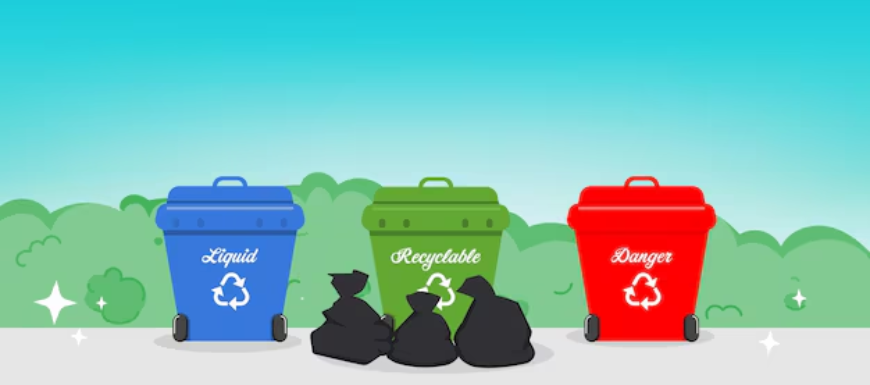
In India, more than 62 million tonnes of municipal solid waste are produced annually, and the figure is only increasing with urbanisation. The country's waste system is a combination of powerful community work, expanding infrastructure, and persistent gaps that remain to be filled.
Informal recycling is one of the largest strengths. Every day, waste pickers silently salvage a great deal of recyclable material, alleviating pressure on landfills. Cities such as Indore and Mysuru have demonstrated that with proper source segregation and regular collection, cleanliness ratings can be significantly improved.
Awareness has also been created through government programs like Swachh Bharat Mission. Families are increasingly sorting wet and dry waste, and there is a surge in demand for superior storage facilities, such as products offered by plastic dustbin manufacturers and MS dustbin suppliers in India.
The recycling industries are also growing. Recycled materials are currently being used by many plastic dustbin manufacturers in India, allowing them to minimise environmental impact and meet increased demand.
Although there have been improvements, the system still has several problems that are dragging it down. The greatest problem is improper source segregation of the waste. The better part of the waste remains mixed, making recycling cumbersome and expensive.
Another issue is infrastructure gaps. Cities lack sufficient processing plants, and the waste ends up in open landfills. These landfills are usually uncontrollable and cause pollution and health hazards.
The supply and quality of waste management equipment are also inconsistent. Although there are numerous dustbin vendors in India, not all products may be durable or suitable for use in open spaces.
The other problem is poor rural waste management. Although the situation in cities is gradually improving, in smaller towns and villages, there are no appropriate systems and a lack of support from MS dustbin manufacturers' networks.
The initial measure is to be more stringent in the segregation of waste. Even the best systems struggle to perform well without proper sorting at the household level.
Investment in infrastructure is equally important. Increased composting plants, recycling facilities and waste-to-energy plants are required in regions. This will also minimise reliance on landfills and enhance waste-processing capacity.
Products also need to be standardised. It could be plastic dustbin manufacturers in Delhi, wheeled dustbin manufacturers in Delhi, or road barrier manufacturers in India, but uniform quality helps make waste collection and management more efficient.
Innovation may also be a factor. The solutions, such as plastic road blocks for sale made from recycled waste, demonstrate how materials can be reused imaginatively to overcome urban problems.
The waste system in India is developing, yet it has much to change. The country can move toward a cleaner, more sustainable future with improved infrastructure, greater awareness, and stronger policies.
Other companies, such as Genex Plastics, are part of this effort to support the waste management requirements in this journey with practical solutions so that the cities can manage the waste more efficiently in a move towards more environmentally friendly practices.